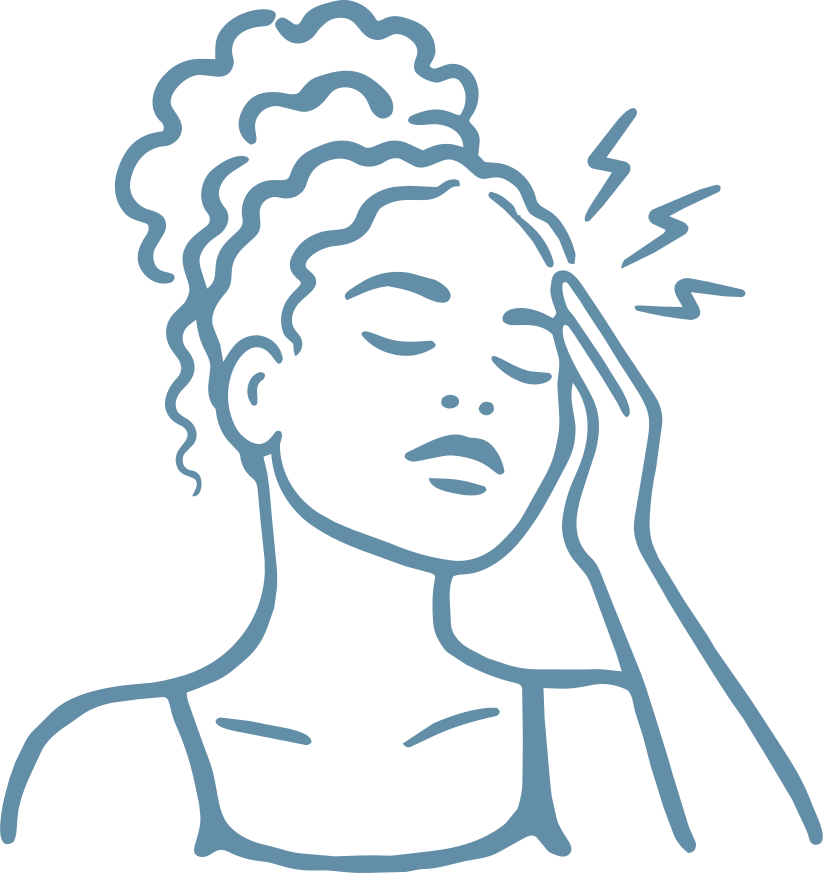
Migraines are more than occasional headaches. They are a neurological condition that can cause recurring episodes of intense pain, sensitivity to light and sound, nausea, and other symptoms. With the right approach, preventive treatments may help reduce migraine frequency and support a more comfortable quality of life.


Migraines are a neurological condition characterized by recurring headache attacks, often involving throbbing or pulsating pain. Symptoms may include nausea, sensitivity to light or sound, and visual disturbances known as aura.
Migraine experiences vary from person to person, with some experiencing occasional episodes and others living with frequent or chronic symptoms that interfere with everyday activities.
Migraines involve changes in nerve signaling and pain-processing pathways within the brain. Genetics, hormonal fluctuations, stress, sleep patterns, and environmental factors can all influence their occurrence.
For some individuals, specific triggers may contribute to migraine attacks, while others experience symptoms without an obvious cause. Understanding these patterns can help guide an individualized approach to prevention and management.

Click the cards to learn more